Close to infrastructure
Software for cloud resources, local systems, edge devices, VPNs, remote sites, and technical operating processes.
Custom software with infrastructure and operations built in.
I build production-ready platforms, dashboards, and automation systems for infrastructure, IoT, remote access, provisioning, and operational processes - with deployment, monitoring, and operations considered from the start.

Many developers build web interfaces. I build systems that have to run reliably in production: with clear roles, interfaces, deployment, and an operating model.
Software for cloud resources, local systems, edge devices, VPNs, remote sites, and technical operating processes.
Architecture, deployment, CI/CD, monitoring, backups, security, and maintainability are planned from the beginning.
Not just features, but stable systems that can be extended, monitored, and operated after launch.
Especially suitable for
When standard software is not enough, teams often end up with spreadsheets, manual work, or fragile internal tools. I turn that into reliable platforms that fit how your company actually operates.
01
Custom web platforms for operational processes that cannot be mapped cleanly into standard software.
For companies that do not want another spreadsheet or assembled workaround, but a clean platform for real processes.
Example: Internal dashboard for operational teams with role model, audit logs, reporting, and connected business systems.
02
Software for automating cloud, server, site, or development environments.
For teams that no longer want to provision infrastructure manually, but standardize and automate it in a traceable way.
Example: Portal for managing customer environments and automatically provisioning new instances.
03
Platforms for distributed sites, plants, machines, gateways, and local infrastructure.
For companies whose software must not only display data, but make real technical infrastructure accessible, controllable, and operable.
Example: Remote-access platform for HMI access across distributed sites with role-based customer access.
04
Dashboards, alerting, and operational overviews for systems, devices, infrastructure, and applications.
For teams that need to understand operating states and act reliably, not just collect data.
Example: Operational overview for applications, infrastructure, and devices with health checks, escalation logic, and a clear view for technical teams and decision-makers.
05
Turning existing prototypes, MVPs, and AI-generated applications into production-ready systems.
For teams that quickly built a prototype and now need a system that is secure, maintainable, and production-capable.
Example: Lovable, Bolt, v0, or Cursor prototype with clean data model, auth, deployment, monitoring, and backup concept.
Typical situations where external technical depth creates clarity quickly.
Plan. Build. Run.
The difference: operations are not an afterthought. They shape architecture and development from the beginning.
01
I clarify requirements, user roles, technical risks, interfaces, infrastructure, security requirements, and the operating model. The result is a realistic scope and an architecture that fits the project.
02
I build the application: frontend, backend, APIs, data model, integrations, auth, roles, dashboards, and automation. Always with deployment, maintainability, and operations in mind.
03
I bring the software into production: hosting, CI/CD, monitoring, backups, updates, security, documentation, and optional ongoing operations.
The entry point depends on whether software already exists, a new system is planned, or a prototype needs to become production-ready.
01
For early ideas, unclear requirements, or several possible paths.
02
For projects where architecture, scope, and operations need to be clarified before development starts.
03
For new platforms, dashboards, portals, and automation systems.
04
For existing applications, MVPs, or AI-generated prototypes.
05
For systems that need to run reliably after launch.
Three selected project examples from software, infrastructure, and operations in real environments.

nextGYM GmbH · Germany
nextGYM operates unmanned gyms with local site infrastructure, IoT components, and recurring deployment processes.
New sites had to be technically prepared, configured, and integrated into existing processes. The manual effort was high and hard to scale.
Development of a central platform to manage and provision local site infrastructure. New gyms can be prepared automatically, including IoT integration, templates, VPN, SSO, and operational management.
New site provisioning reduced from several hours to a few minutes. Central management of distributed gyms with IoT and edge integration.

ABCO Water Ltd. · Australia
ABCO Water works with distributed technical plants where secure remote access, plant overview, and controlled customer access are important.
HMI/PLC-adjacent systems and remote sites had to be made securely reachable without uncontrolled network access or manual access workarounds.
Platform for secure management and remote access to distributed technical plants. With plant management, HMI/PLC-adjacent access, remote sites, role-based access, and secure network architecture.
Central, controlled access to technical infrastructure across distributed sites with secure customer access and an operationally usable platform structure.

EVA Real Estate LLC · United Arab Emirates
EVA Real Estate used an existing cloud infrastructure with high ongoing costs.
The existing AWS infrastructure caused high monthly costs and did not provide the desired level of data control.
Migration from AWS to European infrastructure with significant cost reduction, better data control, and a cloud architecture designed for long-term operations.
81 percent cost reduction from USD 1,300 to USD 250 per month, full data sovereignty, and ROI after 4 months.
I combine software engineering, infrastructure, DevOps, IoT, security, and operations. Not as a loose tool list, but as the foundation for resilient systems.
TypeScript · React · Next.js · Node.js · Python · Go · Java/Spring Boot · APIs · backend services · data models · multi-tenant
Hetzner · Proxmox · Docker · Kubernetes · Rancher · AWS · Azure · GCP · IONOS · OVH · Terraform · Ansible
Grafana · Prometheus · Loki · backups · disaster recovery · CI/CD · monitoring · alerting · incident readiness
LoRaWAN · ChirpStack · MQTT · Node-RED · ThingsBoard · WireGuard · NetBird · OPNsense · HMI · remote access
SSO · OAuth/OIDC · Authentik · Keycloak · roles/permissions · zero trust · audit logs
self-hosted SaaS · Nextcloud · Mattermost · GitLab · Odoo · ERPNext · European providers · GDPR-oriented infrastructure
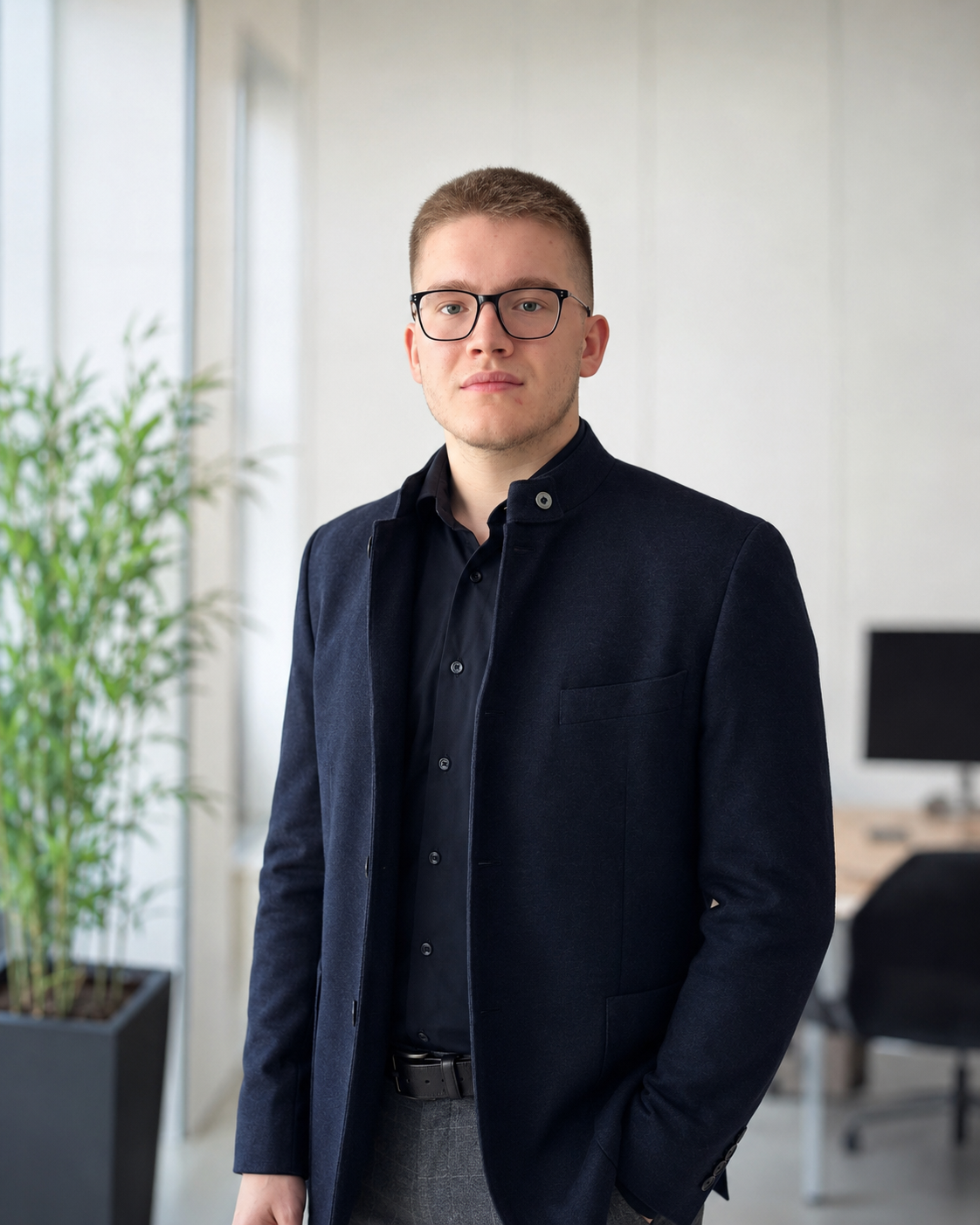
I am Timo Wevelsiep. For years I have built and operated software and infrastructure systems for companies where technology must not only work, but remain viable over the long term.
My focus is custom software for complex operational environments: internal platforms, cloud and infrastructure automation, IoT/edge systems, HMI/remote-access solutions, dashboards, and production-ready web applications.
I do not work from consulting frameworks, but from practice: real client projects, my own infrastructure, production systems, and operations experience. That is why I think about software beyond features: deployment, monitoring, security, cost, maintainability, and operations matter from the start.
Wevelsiep Advisory is my personal expert brand for this kind of software development: technically deep, infrastructure-aware, and focused on production systems. My work as Managing Director at WZ-IT and owner of merkaio contributes practical experience; both are not positioned as the main brands on this site. Out of Wevelsiep Advisory I also run veriploy, ongoing technical oversight for AI-built software.
Hands-on in software, cloud, infrastructure, IoT, and operations.
Architecture, deployment, monitoring, and maintainability are considered from the beginning.
Where sensible: open standards, European infrastructure, and less vendor lock-in.
AI & Automation
Vibe coding with Cursor, Claude Code, v0 or Bolt ships MVPs in hours - but 50% of AI-generated code has security flaws. The practical pillar guide: review, patches, CI/CD, and the EU-sovereign stack reframe.
Strategy
A Fractional CTO is an external Chief Technology Officer on a part-time basis. Responsibilities, costs, comparison to Interim CTO, and when the model is actually worth it.
I focus on technical conception, architecture, and development of production-ready custom software. Depending on the project, I take on technical leadership, architecture, and implementation myself or work with trusted technical resources. The focus is not theoretical advice, but systems that can actually be built and operated.
Classic web agencies often build websites, frontends, or standard web applications. I focus on software connected to infrastructure, cloud, devices, sites, IoT, security, or operations. That includes deployment, monitoring, backups, role models, audit logs, and long-term maintainability.
Especially suitable projects include internal platforms, customer portals, operational dashboards, provisioning portals, IoT/edge platforms, HMI/remote-access systems, and existing applications that need to be productionized or modernized.
Yes. If desired, I take care of hosting, monitoring, updates, backups, security patches, and ongoing development. Operations are considered in the architecture from the beginning so the application does not become a problem after launch.
Yes. Typical entry points are code review, architecture review, infrastructure analysis, security check, and a concrete plan for stabilization or further development. This is especially useful for grown internal tools, MVPs, or software without a clean deployment and operations concept.
Yes. Especially with applications built in tools such as Cursor, v0, Bolt, or Lovable, the bottleneck is often not the prototype but security, architecture, data model, deployment, and operations. I help turn such prototypes into viable production systems.
Yes, but not as the main focus. Strategic sparring, architecture reviews, and technical due diligence are still possible, especially when they lead to concrete implementation, modernization, or operations.
Yes. I can implement independently or collaborate with existing development, IT, or operations teams. Often the interface between software development, infrastructure, and operations is the most important part of the project.
Yes. If implementation is not desired yet, architecture reviews, code reviews, infrastructure reviews, or technical second opinions are possible. The goal is always a concrete, actionable assessment, not theoretical slideware.
Usually with a short triage call. Depending on the situation, that is followed by a discovery and architecture sprint, a review of existing systems, or a concrete proposal for development and operations.
In 15 minutes I clarify with you what this is about: a new platform, existing software, production hardening, IoT/HMI requirements, infrastructure automation, or ongoing operations. After that you know whether a review, discovery sprint, or development project makes sense.
15 minutes · free · no obligation